









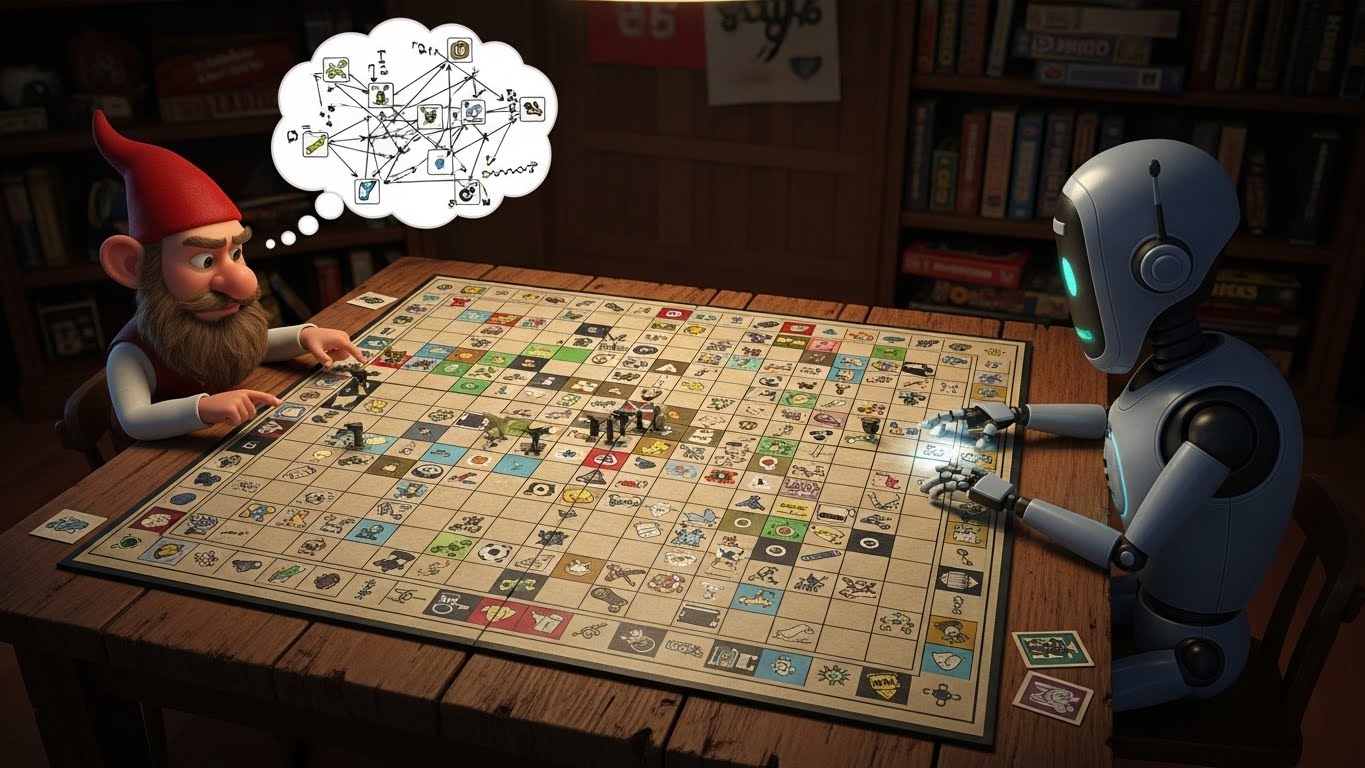
The rise of logic-based sports puzzles has introduced many fresh concepts, and dympigal has emerged as a fascinating term closely associated with the growing popularity of the Immaculate Grid. In a digital era where users seek mental stimulation blended with entertainment, this concept represents a new way of understanding how structured thinking and sports knowledge intersect. The Immaculate Grid is not just a casual game; it is a test of memory, reasoning, and pattern recognition, and dympigal symbolizes a thoughtful approach to mastering this challenge.
Understanding Dympigal in the Context of the Immaculate Grid
To appreciate the relevance of dympigal, it is important to understand its conceptual role rather than viewing it as a standalone definition. Within the Immaculate Grid environment, it reflects a mindset focused on precision, logic, and disciplined recall. Players who adopt this approach tend to analyze categories carefully instead of guessing randomly, which significantly improves accuracy and consistency.
The Immaculate Grid itself challenges users to fill a grid where rows and columns intersect with specific criteria such as teams, achievements, or player statistics. The idea behind dympigal thinking is to slow down the decision-making process and evaluate all known data before placing an answer.
Why Strategic Thinking Matters in the Immaculate Grid
The success of any player depends on how effectively they process information under constraints. Strategic thinking transforms the grid from a guessing game into a structured mental exercise. This is where the philosophy behind dympigal becomes especially useful.
Within this framework, players categorize knowledge mentally, recall lesser-known players to reduce duplication rates, and balance risk versus certainty. The table below highlights how a structured approach differs from casual play within the same puzzle environment.
| Playing Style | Decision Process | Accuracy Level | Learning Outcome |
|---|---|---|---|
| Random Guessing | Fast and impulsive | Low | Minimal retention |
| Informed Recall | Memory-based | Medium | Moderate improvement |
| Strategic Analysis | Pattern and logic driven | High | Long-term mastery |
This comparison shows how a disciplined method leads to better results and deeper understanding.
The Cognitive Benefits Linked With Dympigal Thinking
Engaging regularly with logic-driven puzzles strengthens the brain. The structured thinking associated with dympigal enhances memory recall, analytical reasoning, and mental flexibility. Unlike passive entertainment, the Immaculate Grid requires active engagement, making it an effective cognitive exercise.
Players often report improvements in their ability to remember historical sports data and recognize patterns faster. Over time, this mental training can translate into better problem-solving skills outside the game environment.
How the Immaculate Grid Encourages Knowledge Expansion
One reason the Immaculate Grid has gained such traction is its ability to expose players to unfamiliar information. When a player encounters a category they cannot immediately answer, curiosity drives research and learning. This learning loop aligns perfectly with the principles behind dympigal.
Instead of focusing only on star athletes, players begin exploring role players, short-term transfers, and rare statistical achievements. This broader knowledge base enhances future grid performance while making the experience more educational.
Applying Dympigal Methods to Improve Grid Accuracy
Accuracy is a key scoring factor in the Immaculate Grid. Lower duplication rates often yield higher scores, and this is where thoughtful analysis becomes essential. A dympigal-style approach emphasizes selecting valid yet uncommon answers.
The following table illustrates how answer selection impacts performance outcomes.
| Answer Type | Popularity | Risk Level | Score Impact |
|---|---|---|---|
| Famous Players | Very high | Low | Lower score |
| Recognized Veterans | Medium | Medium | Balanced score |
| Rare but Correct Choices | Low | Higher | Higher score |
This balance between safety and originality is central to improving results over time.
The Role of Memory Patterns in Grid Mastery
Memory patterns play a critical role in long-term improvement. When players repeatedly encounter similar categories, the brain starts organizing information more efficiently. This cognitive structuring reflects the essence of dympigal thinking, where data is stored and retrieved logically rather than randomly.
Over time, players begin associating teams with specific eras, positions, or achievements, allowing faster recall during future grids. This structured memory system significantly reduces hesitation and errors.
Community Engagement and Knowledge Sharing
Another reason this concept continues to gain relevance is the strong online community surrounding the Immaculate Grid. Players frequently share strategies, rare answers, and learning resources. These interactions reinforce disciplined thinking and expose users to alternative perspectives.
Community discussions often highlight unique solutions and historical facts, helping players refine their approach. The collaborative nature of this environment supports continuous growth and learning.
Long-Term Skill Development Through Consistent Play
Consistency is essential for mastering any skill. Regular interaction with the Immaculate Grid builds familiarity with recurring categories and common traps. By applying a structured mindset inspired by dympigal, players gradually improve both speed and accuracy.
This long-term development transforms casual players into confident problem solvers. The learning curve becomes smoother, and each grid attempt contributes to measurable progress.
Balancing Enjoyment and Mental Challenge
One of the strengths of the Immaculate Grid lies in its balance between fun and intellectual challenge. The puzzle remains accessible to beginners while offering depth for experienced players. A thoughtful approach ensures that enjoyment does not diminish under pressure.
By focusing on learning rather than perfection, players maintain motivation and curiosity. This balance keeps the experience engaging and rewarding over extended periods.
The Future Relevance of Dympigal-Style Thinking
As digital puzzles continue to evolve, structured reasoning will remain a valuable skill. The principles behind dympigal extend beyond a single game and apply to many logic-based challenges. In an age of information overload, the ability to organize knowledge efficiently is increasingly important.
The Immaculate Grid serves as a practical training ground for this skill, offering both entertainment and intellectual growth. Players who adopt a thoughtful, analytical mindset are more likely to excel as puzzle formats become more complex.
Conclusion
The connection between dympigal and the Immaculate Grid highlights the importance of strategy, memory, and disciplined thinking in modern puzzle gaming. By approaching each grid with analysis rather than impulse, players enhance accuracy, expand knowledge, and enjoy deeper engagement. This mindset transforms a simple daily puzzle into a powerful cognitive exercise that rewards patience and curiosity. As the popularity of logic-based games continues to rise, structured thinking will remain the key to long-term success.